StopWatt reviews: What to know before you buy
By the Buyer Notebook editorial desk. Reviewed . Desk research, not a hands-on or laboratory test.
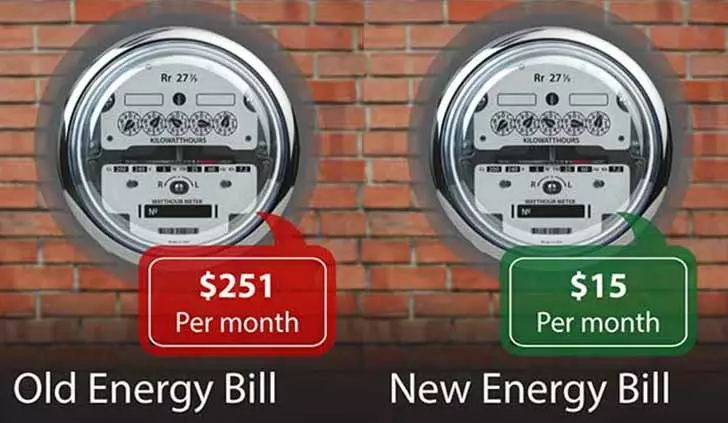
StopWatt is sold as a plug-in energy saving device. Its advertising is written like a news story and promises noticeably lower electric bills. This guide sets that marketing beside the public evidence so you can decide with clear expectations, and it explains what a careful buyer should check before paying.
Quick answer
StopWatt is a small wall-plug unit marketed as a way to cut household electricity costs. We could not find independent testing of this specific device that supports the large savings shown in its advertising. General engineering analysis from NIST indicates that power-factor correction on its own does not reduce a typical homeowner's bill under kilowatt-hour billing. The seller's own page footer also states that efficacy claims have not been substantiated and that specific savings cannot be guaranteed.
If you are still interested, treat it as an unproven purchase, keep your expectations modest, and read the seller's written return terms at checkout.
What StopWatt is marketed as
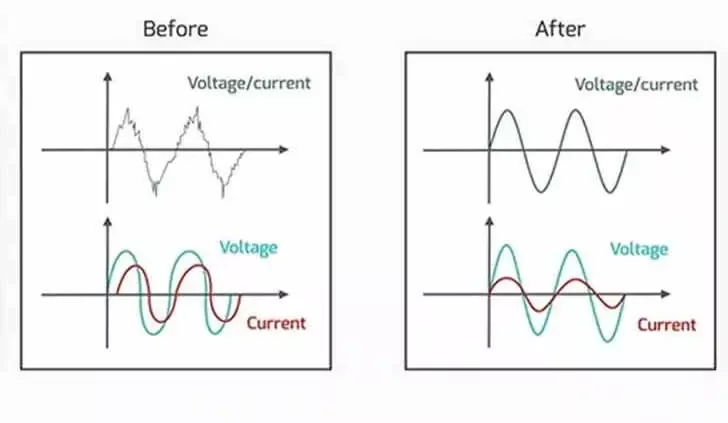
Seller pages describe StopWatt as an energy saver that you plug into an outlet, with a green indicator light. The pitch centers on stabilizing current and reducing wasted power, and it pairs that with dramatic before and after bill imagery. The presentation is written as an editorial story, but it is advertising for the product.

Similar-looking plug-in boxes have been sold under many brand names for years. That does not make any one seller dishonest, but it does mean the brand name alone tells you little about who you are buying from.
Seller claims versus verified evidence
| What the marketing suggests | What we could verify |
|---|---|
| Large monthly bill reductions | No independent StopWatt-specific measurement located. The seller's footer says savings cannot be guaranteed. |
| Cleans or stabilizes current, improving efficiency | NIST analysis finds power-factor correction alone does not lower typical residential kWh bills. This is general analysis, not a test of StopWatt. |
| The light shows it is working | An indicator light shows the unit is powered. It is not a measurement of energy use. |
| Customer stories prove results | Seller-hosted testimonials are marketing. Independent complaint and review sites show mixed experiences and may involve different distributors. |
| Easy money-back terms | Terms vary by seller and offer. Confirm the written policy on your own checkout page. |
How your bill is actually measured
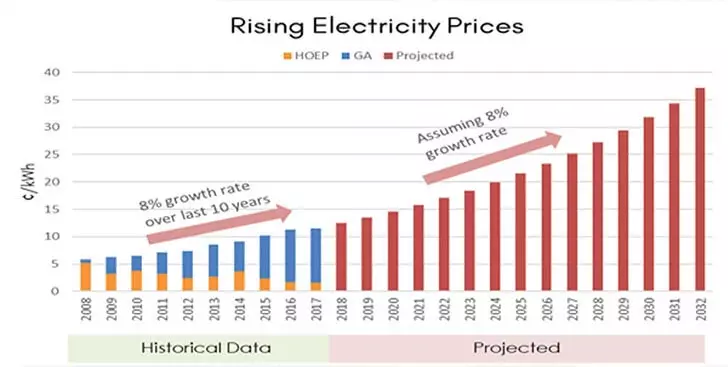
Most U.S. homes are billed for kilowatt-hours, the amount of energy used over time. To lower that number, something has to make your appliances draw less energy or run for less time. A device that only changes the shape of current at one outlet does not change how long your air conditioner, water heater or dryer runs.

Comparing two bills fairly means matching the number of billing days, the weather and your household routine. Our guide on whether StopWatt really works walks through a simple way to do that.
Product photos and video
The images and clips on this page come from the seller's presentation. They show the product, its packaging and the advertising claims buyers encounter. Bill comparisons, charts and testimonials are labeled as seller material, not as independently verified results. Buyer Notebook has not personally or laboratory tested StopWatt.
How to judge any plug-in energy saver
- Your utility bills you for kilowatt-hours used. Ask what mechanism would reduce that number.
- Big household loads such as heating, cooling, water heating and laundry drive most bills. A small plug-in unit does not change how long those run.
- A fair before and after comparison needs matching billing days, weather and household routines.
- Proven ways to cut use include thermostat settings, LED lighting, sealing drafts and efficient appliances. The U.S. Energy Information Administration explains where household electricity goes.
Related guides
StopWatt reviews
Testimonials reproduced or summarized from the seller’s advertising. Buyer Notebook has not independently verified these accounts.

Kevin Holmes
St. Louis, MO
Seller-listed date:
Seller rating: 5 out of 5
A first-bill savings account
The seller attributes this account to Kevin, who reports a $35 reduction on his first bill after plugging in the units and says he plans to remain a customer.

Tracy Wolfson
Orlando, FL
Seller-listed date:
Seller rating: 5 out of 5
From skepticism to claimed savings
In the seller's account, Tracy describes being skeptical initially, then believing she was saving money even though she did not understand how the device worked.

Melisa Houston
Syracuse, NY
Seller-listed date:
Seller rating: 5 out of 5
A claimed four-month payback
The seller attributes monthly reductions of $33, $45, $52 and $55 to Melisa, who says those savings covered her purchase cost within four months.

Wilma Besley
Orlando, FL
Seller-listed date:
Seller rating: 5 out of 5
An account involving three units
The seller's account says Wilma placed units in her kitchen, bedroom and living room and reported savings of at least $50 per month after six months of use.
Frequently asked questions
Is StopWatt a real product?
Yes. It is a physical plug-in unit sold online through seller presentation pages. Being a real product is a separate question from whether it lowers a typical bill.
Will it lower my electric bill?
We found no independent, StopWatt-specific measurement showing that it does for a typical home. The seller's own small print says efficacy claims have not been substantiated.
Has Buyer Notebook tested it?
No. This guide is desk research. We did not buy, meter or laboratory test the device.
Is the green light a sign that it is working?
The light shows the unit has power. It does not show that your meter is recording fewer kilowatt-hours.
Where can I see the current price?
Prices, bundles and return terms are set by the seller and can change. Check them on the seller's checkout page before paying.
If you decide to buy
Buy from a seller you can identify, save your order confirmation, and read the return window and conditions before paying. Price and terms are the seller's, not ours.